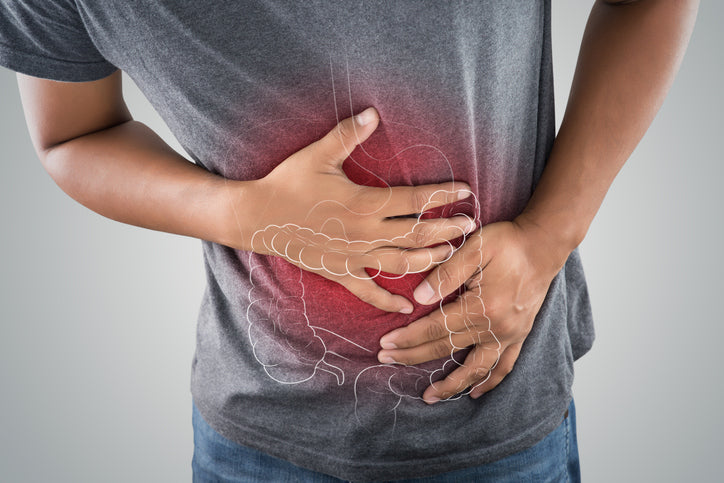

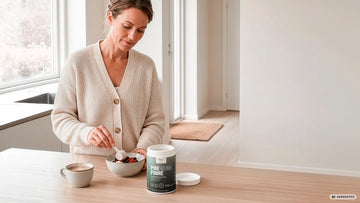




Eating feels like a chore right now — and that's exactly what your medication is supposed to do. But "not hungry" and "don't need to eat" are very different things, and if you're on semaglutide or tirzepatide, that distinction matters more than most people realise. Below you'll find why your appetite has disappeared, what the real risks of under-eating are, and a practical nutrition plan for the days when food is the last thing on your mind — all drawn from our complete GLP-1 nutrition guide.
Why GLP-1 Medications Kill Your Appetite — And Why That's Actually the Point
GLP-1 receptor agonists suppress appetite through two main mechanisms. First, they slow gastric emptying — food stays in your stomach longer, keeping you feeling physically full for hours after a small meal. Second, they act on satiety centres in the brain, reducing the reward signal you normally get from eating. Together, these effects mean your hunger cues go quiet, sometimes almost entirely.
This is by design. Semaglutide (the active ingredient in Wegovy and Ozempic) and tirzepatide (Mounjaro) were developed specifically to reduce caloric intake by making food less appealing and fullness easier to reach. A 2021 trial published in the New England Journal of Medicine found that participants on semaglutide reduced their body weight by an average of 14.9% over 68 weeks — appetite suppression was the primary driver.
You might notice the effect is uneven. Some days food sounds manageable; other days the thought of a full meal is genuinely off-putting. That's normal, and it tends to intensify as your dose escalates. Understanding why it's happening helps — you're not getting sick, and your medication is working exactly as intended.
Can You Eat Too Little on Wegovy or Mounjaro? (Yes — Here's What Happens)
Yes, you can eat too little on a GLP-1 — and doing so consistently creates real problems that can undermine the whole point of treatment. The goal of GLP-1 therapy is fat loss, not muscle loss. Without adequate nutrition, your body starts breaking down lean muscle tissue for fuel, which slows your metabolism and makes keeping weight off harder long-term.
Here's what happens when caloric intake drops too low for too long on a GLP-1:
Muscle loss. Protein and resistance are the two things that preserve muscle during weight loss. If you're consistently eating less than your protein minimum, your body cannibalises muscle. Research published in Obesity suggests that protein intake of at least 1.2g per kilogram of body weight during active weight loss is necessary to minimise lean mass reduction.
Nutrient deficiency. When total food volume drops significantly, it becomes very difficult to meet micronutrient needs — particularly iron, B12, magnesium, and zinc. This is especially relevant for people who were already borderline deficient before starting medication.
Hair loss. Telogen effluvium — temporary hair shedding triggered by nutritional stress — is one of the most commonly reported concerns among GLP-1 users who aren't eating enough. It's not caused by the medication itself; it's caused by the caloric deficit being too aggressive. Adequate protein is the main protective factor.
Metabolic adaptation. Eating far too little signals to your body that resources are scarce. Over time, your resting metabolic rate decreases, making future weight maintenance harder.
What's the Minimum You Should Eat on a GLP-1?
The minimum nutrition floor on a GLP-1 isn't a fixed number — it depends on your body weight and activity level — but these are widely used clinical benchmarks. Always follow the specific guidance from your prescriber or dietitian.
| Body weight | Min. protein per day | Approx. calorie floor |
|---|---|---|
| 65–80 kg | 80–100g | 1,200–1,400 kcal |
| 80–100 kg | 100–120g | 1,400–1,600 kcal |
| 100–120 kg | 120–140g | 1,500–1,700 kcal |
| 120 kg+ | 140g+ | 1,600–1,800 kcal |
Protein is the priority metric. If you can only manage small amounts of food, focus on hitting your protein target first — calories will follow.
First Week on Semaglutide and Still Hungry — Is That Normal?
Yes, it's completely normal to feel little or no appetite suppression in your first week on semaglutide or tirzepatide. The medications work at therapeutic doses — and most people start well below them.
The standard starting dose for semaglutide (Wegovy) is 0.25mg per week for the first four weeks. That's a sub-therapeutic dose, introduced specifically to allow your body to adjust and minimise side effects. Significant appetite suppression typically emerges at 0.5mg and becomes more pronounced at 1mg and above. Most people don't reach their maintenance dose for four to six months.
If you're in week one and still eating normally, that's not a sign the medication isn't working — it means the dose hasn't escalated to the range where appetite suppression becomes pronounced. Keep your injections consistent, follow your prescriber's escalation schedule, and expect the change to come gradually. The flip side is also true: if you're already struggling to eat in week two or three, you're ahead of the typical curve, which makes the nutrition guidance in this article even more relevant for you right now.
What to Eat on Wegovy or Ozempic When Nothing Sounds Good
The most useful framework when appetite is suppressed is this: protein first, volume second. When you can only eat a small amount before fullness sets in, what you eat in those first few bites matters disproportionately. Lead with protein at every meal or snack — before the satiety signal cuts you off.
Protein-First Foods That Go Down Easily (Even on Hard Days)
These foods are high in protein, low in volume, require minimal preparation, and tend to be tolerated well even when appetite is low. Most are soft, cold, or room-temperature — textures that tend to feel less confronting when eating is difficult.
- Greek yoghurt (full-fat or 2%) — 15–20g protein per 175g serving; cold, smooth, no cooking required; pairs well with a small amount of honey or fruit if plain is unappealing
- Cottage cheese — 12–15g protein per 100g; mild flavour, soft texture, works savoury or sweet; can be eaten straight from the container
- Hard-boiled eggs — 6g protein each; prep in batches at the start of the week so they're always ready; easy to eat one or two without committing to a full meal
- Scrambled eggs (soft) — 12g protein for two eggs; takes three minutes; low aroma compared to most cooked proteins, which matters on nausea days
- Edamame — 11g protein per 100g; available frozen, microwave in two minutes; mild, slightly sweet flavour that tends to be tolerable when appetite is low
- Smoked salmon or tinned fish — 20–25g protein per 100g; no cooking required; cold protein with no cooking smells
- Rotisserie chicken (white meat, shredded) — ~25g protein per 85g; pre-cooked, requires no effort; easy to eat a small amount without a full meal
- Tofu (silken or firm) — 8–10g protein per 100g; absorbs flavours well; soft silken tofu can be eaten cold with soy sauce and is very low-effort
- String cheese or babybel — 6–8g protein per portion; portable, requires no preparation
- Protein-fortified milk (cow's or soy) — 8–10g protein per 250ml; drinkable, which bypasses the need to physically eat
- Ricotta cheese — 10g protein per 100g; smooth, mild, pairs with a small amount of fruit or a drizzle of olive oil and salt

Small Meals and Snacks When You Can Only Manage a Few Bites
On the worst days, the goal isn't a full plate — it's a few strategic bites that keep your nutrition on track. These combinations are designed to deliver maximum protein and calories in minimum volume.
- 2 tbsp peanut butter on half a rice cake — ~8g protein, ~200 kcal; takes 30 seconds
- Small bowl of edamame + a hard-boiled egg — ~17g protein, ~200 kcal; no prep if both are pre-cooked
- Half a cup of cottage cheese with a handful of blueberries — ~14g protein, ~180 kcal
- One Babybel + a small handful of almonds — ~10g protein, ~220 kcal; completely no-prep
- Two tablespoons of hummus with cucumber slices — ~4g protein, ~100 kcal; works well as a bridge snack between minimal meals
- Small bowl of miso soup with silken tofu — ~8g protein, ~80 kcal; warm, low-fat, mild — often tolerated even on nausea days
- Half a cup of Greek yoghurt + one tablespoon of hemp seeds — ~18g protein, ~200 kcal
- Small portion of smoked salmon on a half-slice of wholegrain bread — ~15g protein, ~180 kcal

Soft, Bland, and Cold Foods for Injection-Day Nausea
Many people on GLP-1 medications experience nausea in the 24–48 hours after their injection — particularly in the early dose-escalation period. The key for injection-day eating is: cold or room temperature, low fat, low aroma, small portions. Cooking smells and hot, fatty foods tend to make nausea worse.
Foods that tend to be well-tolerated on injection day:
- Plain crackers or rice cakes — bland, dry, easy to nibble without committing to a full meal
- Chilled cucumber slices — almost no smell, cooling, hydrating; useful as a sensory reset
- Cold Greek yoghurt (plain) — protein without heat or cooking smells
- Chilled watermelon or melon — hydrating, cold, very mild flavour; easy to eat a few pieces
- Ginger tea — research supports ginger's role in reducing nausea; a warm (not hot) cup before eating can help settle the stomach
- Plain white rice or congee — bland and absorbs easily; one of the most universally tolerated foods during nausea
- Banana — soft, mild, easy to eat in stages; provides potassium and quick energy
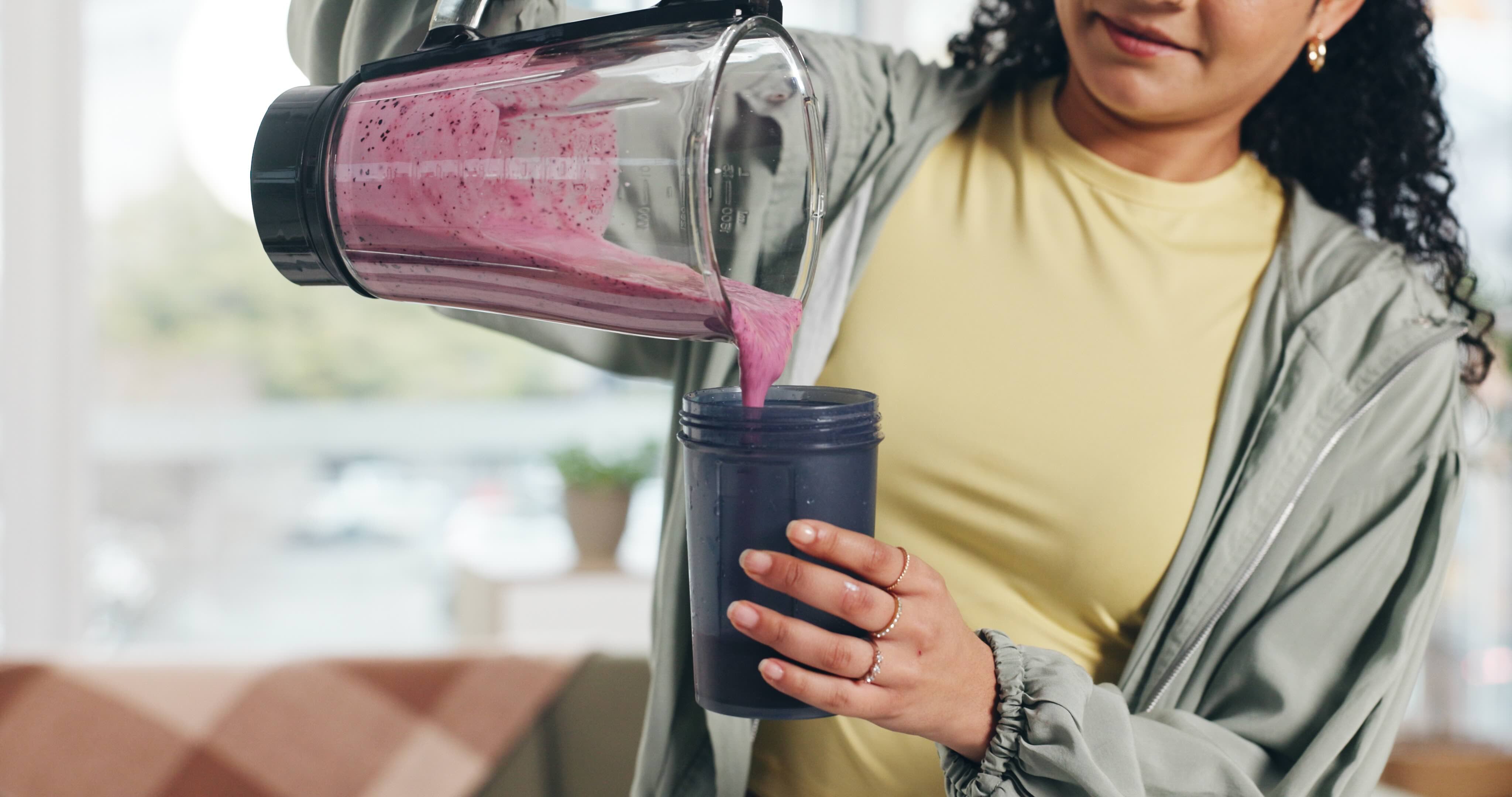
- Cold smoothie with protein powder — keeps temperature low; liquid form bypasses some of the texture aversion that comes with nausea
- Plain boiled egg whites — almost no flavour, very low fat, easy to stop mid-way
- Chilled bone broth — sipped slowly; provides sodium, electrolytes, and a small amount of protein without requiring eating
Avoid: fried foods, red meat, strong spices, heavily sauced dishes, and anything with a strong cooking smell on injection day.
Can Meal Replacements Help When You're Not Hungry on a GLP-1?
Yes — with the right approach, liquid nutrition and meal replacement drinks can be a genuinely useful bridge when solid food isn't an option. They are not a long-term substitute for whole food, but they are far better than eating nothing.
What to look for in a meal replacement or protein drink when you're on a GLP-1:
- At least 20g protein per serving — this is the minimum to make it worth using as a partial meal substitute
- Low sugar — many ready-to-drink options are loaded with sugar; aim for under 10g per serving
- Moderate calories — 250–400 kcal per serving is ideal; very high-calorie options defeat the purpose
- Complete micronutrients if used as a full meal substitute — look for products fortified with vitamins and minerals if you're relying on them regularly
- Short ingredient list — products with whole-food bases (oat, pea protein, milk protein) tend to be better tolerated than those with long additive lists
Use liquid nutrition as a bridge, not a crutch. On days when you genuinely cannot eat — injection day, nausea days, high-stress days — a high-protein shake is the right call. On days when eating is possible, even in small amounts, prioritise whole food so your gut continues to function well and you're building healthy habits around eating during this period.
How to Actually Get Yourself to Eat When Food Feels Repulsive
Knowing what to eat is only half the problem. The harder challenge is getting yourself to actually do it when your body is sending no hunger signals at all. These strategies are specific to the GLP-1 experience — not general wellness advice.
-
Eat by the clock, not by hunger cues.
On a GLP-1, hunger cues are suppressed — sometimes completely. If you wait to feel hungry, you may not eat at all. Set two or three fixed eating windows each day (for example: 8am, 12:30pm, 6pm) and treat them like appointments. You don't need to be hungry to eat. You need to eat to meet your nutritional minimum. -
Protein first, every time.
Before fullness arrives — which on a GLP-1 happens fast — eat your protein first. If your plate has chicken, salad, and rice, eat the chicken first. If your snack is yoghurt and fruit, eat the yoghurt first. You may not get to the rest, but you'll have secured the most important macro before your stomach signals stop. -
Plan injection-day food in advance.
Injection day is predictably the hardest day for most people. Decide the night before what you'll eat the following day — something cold, bland, and pre-prepared that requires zero decision-making. Reducing the cognitive load when you already feel off makes it far more likely you'll actually eat. -
Use liquid nutrition as a bridge, not a skip.
If breakfast genuinely isn't happening, a high-protein drink is not "giving up" — it's meeting your nutritional floor with the lowest barrier option available. Keep a shelf-stable shake or protein powder on hand specifically for these moments. -
Remove the cooking barrier entirely.
On low-appetite days, the task of cooking can feel insurmountable. Remove it. Keep a rotation of no-prep foods available at all times: hard-boiled eggs (batch-cooked on Sunday), Greek yoghurt, tinned fish, pre-sliced cheese, rotisserie chicken, edamame from frozen. Your only job is to open the container. -
Use the 3-bite rule on the hardest days.
When the idea of eating a full meal — or even a snack — feels impossible, commit to just three bites of your highest-protein food. Only three. Most of the time, starting is the hardest part, and you'll manage more once you begin. If you genuinely stop at three, that's still three bites more than nothing, and tomorrow is another meal. -
Track protein, not calories.
Calorie tracking on a GLP-1 often creates anxiety — the numbers will be lower than what many apps consider "adequate." Instead, track only protein. Give yourself a daily protein target (see the table above) and focus solely on hitting it. This reframes eating as purposeful and goal-oriented, which tends to be more motivating than counting net calories on days when appetite is absent.
When to Talk to Your Prescriber About Not Eating Enough
Most of what you're experiencing is normal and manageable with the strategies above. But there are specific situations where under-eating on a GLP-1 has moved beyond a manageable inconvenience and into territory that warrants a medical conversation — without delay.
Contact your prescriber or clinical team if you notice:
- You're consistently eating fewer than 800 kcal per day for more than a week, despite trying to eat more
- Significant hair loss — more than the usual shed, particularly from the crown or temples
- Persistent dizziness or light-headedness, especially on standing
- Extreme fatigue that is disproportionate to your activity level
- You cannot meet your protein minimum on most days, even with liquid nutrition and no-prep foods
- Nausea that prevents eating entirely for more than 24–48 hours after injection
These are not reasons to panic — they are reasons to have a conversation. Dose reduction or a temporary pause in dose escalation is a completely normal and available option. Your prescriber would rather hear from you than have you white-knuckle through several weeks of inadequate nutrition. Adjusting the dose is not failure — it's good clinical management.