







Nausea on day three. Food that suddenly smells wrong. A week where eating felt like a chore you could not face. If this sounds familiar, you are not having an unusual reaction — you are having the most common GLP-1 experience there is. This guide explains exactly what is happening in your body, when side effects typically ease, and what you can actually do about them.
What Are the Most Common GLP-1 Side Effects?
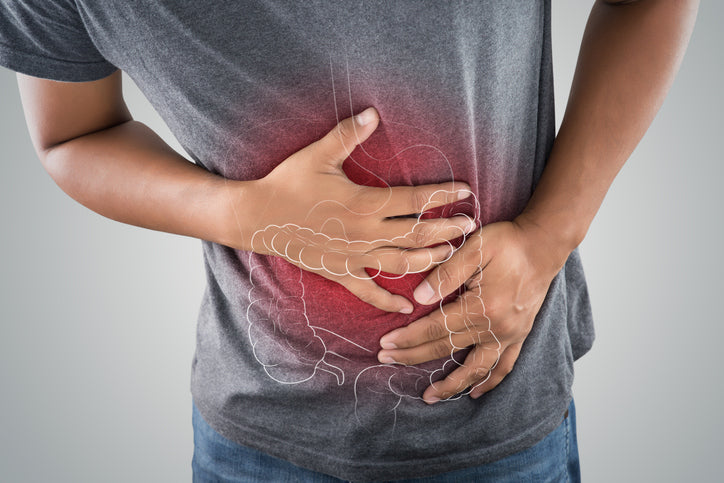
The most common GLP-1 side effects are gastrointestinal: nausea, vomiting, diarrhoea, and constipation. These occur in more than 1 in 10 patients — often closer to 40–50% — and are most intense in the first four to eight weeks of treatment or after each dose increase. They are not a sign something is wrong. They are a direct result of how the medication works.
GLP-1 receptor agonists — including semaglutide (Wegovy, Ozempic) and tirzepatide (Mounjaro) — slow gastric emptying, which is the rate at which food moves from your stomach into your intestines. This is precisely why the medication reduces appetite and stabilises blood sugar. It is also why your stomach can feel full, sluggish, or unsettled after eating, especially in the early weeks of treatment.
A 2021 review published in Diabetes, Obesity and Metabolism confirmed that GI side effects are the leading reason people discontinue GLP-1 therapy — but also that most people who continue past the initial titration period report significant improvement. The first weeks are the hardest part.
| Side Effect | How Common | When It Typically Peaks | When It Usually Eases |
|---|---|---|---|
| Nausea | 40–50% | Days 1–4 after injection | Weeks 4–8; often resolves after titration stabilises |
| Vomiting | 10–25% | First 1–2 weeks at each new dose | Usually subsides as the body adjusts |
| Diarrhoea | 15–30% | Variable; often early in treatment | Typically within 4–6 weeks |
| Constipation | 10–20% | Ongoing in some users | Responds well to hydration and fibre |
| Fatigue | 10–15% | First few weeks | Usually resolves with body adaptation |
| Injection site reaction | 5–10% | Shortly after injection | Typically within 24–48 hours |
Why GLP-1 Side Effects Are Worse When You First Start (or Increase Your Dose)
The spike in side effects at the start of treatment — and at every dose increase — happens because your GLP-1 receptors are being stimulated at a level they have never experienced before. Gastric emptying slows more dramatically than your digestive system is used to. Your brain receives appetite-suppressing incretin signals it has not been trained to process. Everything feels louder than it will once your system adapts.
This is why the titration schedule exists. Starting at a lower dose and stepping up every four weeks gives your GI tract time to recalibrate. Research published in Obesity Reviews found that slower titration — and even temporarily pausing at a lower dose if side effects are severe — significantly improves tolerability without meaningfully reducing long-term outcomes.
You might notice that each new dose level brings a brief return of nausea or stomach discomfort for a few days. This is expected. It typically resolves faster at each subsequent increase as your body becomes more familiar with the signal. The UK Medicines and Healthcare products Regulatory Agency (MHRA) confirmed this pattern in its 2024 Drug Safety Update: GI side effects are most likely at the start of treatment or after a recent dose increase, and are usually non-serious.
Wegovy Side Effects vs. Mounjaro Side Effects: Is There a Difference?
Both Wegovy (semaglutide) and Mounjaro (tirzepatide) share the same core GI side effect profile, but their mechanisms differ in one key way — and that affects what you might experience.
Semaglutide acts on GLP-1 receptors only. Tirzepatide is a dual agonist: it activates both GLP-1 and GIP (glucose-dependent insulinotropic polypeptide) receptors. Clinical trials, including the SURMOUNT-1 trial published in the New England Journal of Medicine in 2022, showed tirzepatide produces greater average weight loss — but also reported slightly higher rates of nausea and vomiting at the higher dose tiers.
Side effect pattern
GI side effects most pronounced in weeks 1–4. Dose escalation every 4 weeks. Most people stabilise well after reaching their maintenance dose. Nausea tends to be the dominant complaint, but typically eases significantly by week 8. Hair thinning is also reported — find out why and how to manage it.
Side effect pattern
Dual GLP-1 and GIP action can produce stronger appetite suppression — and slightly more intense nausea at higher doses. The titration schedule is similar (4-week intervals), and GI effects follow the same general arc of improving over time. Headaches are also among the more commonly reported complaints in the first few weeks.
If you are on Mounjaro and finding nausea more intense than others describe on Wegovy, that is consistent with the pharmacology. It does not mean you are more sensitive — it means the dual mechanism is working as designed.
How to Manage GLP-1 Nausea: What Actually Helps
Managing GLP-1 nausea comes down to three things: what you eat, how much you eat at one time, and when you eat relative to your injection. Most people find that simple dietary adjustments make a significant difference — no prescription required.
Because gastric emptying is slowed, a full-sized meal sits in your stomach for longer than it used to. Splitting meals into four or five smaller portions throughout the day reduces the load on your stomach at any one time and typically reduces nausea significantly. Stopping when full — not when the plate is clear — makes a real difference.
Fat slows gastric emptying independently — combining a fatty meal with a GLP-1 medication doubles the effect. Bland, easily digestible foods such as plain rice, toast, cooked vegetables, and eggs are far easier to tolerate in the first weeks. Avoid dairy products and high-fibre foods if diarrhoea is also present.
Dehydration is one of the more serious risks associated with GLP-1 GI side effects — the MHRA specifically flags this in their 2024 safety update. Vomiting and diarrhoea can deplete fluids quickly. Drink water consistently throughout the day. If keeping fluids down is difficult, seek medical advice rather than waiting it out.
Lying down when your stomach is full and emptying slowly is a reliable trigger for nausea and reflux. Give yourself at least 30–60 minutes upright after any meal, especially in the first weeks. Avoid being too active immediately after eating as well.
Many people find that injecting before bed reduces the intensity of day-one nausea — you sleep through the initial peak. If morning injections are causing you a difficult day, discuss switching the timing with your prescriber.
When eating feels genuinely difficult — especially in the first two weeks at a new dose — structured options like ready-to-drink meal replacements or soft, nutrient-dense foods can help you maintain adequate protein and calorie intake without triggering nausea. Liquid and semi-liquid meals are often much easier to tolerate than solid food during the roughest patches. The goal is not to eat nothing; it is to eat in a way your stomach can handle right now.

GLP-1 Side Effects Timeline: When Does It Get Better?
For most people, the worst GLP-1 side effects resolve within four to eight weeks of starting treatment or stabilising at a new dose. This is not an indefinite experience — there is a clear pattern in how the body adapts.
| Timeframe | What Most People Experience |
|---|---|
| Days 1–3 after injection | Nausea peaks; appetite significantly suppressed; some fatigue common - find out why |
| Days 4–7 | Nausea eases; appetite may partially return ("end-of-week hunger" pattern) |
| Weeks 2–4 | GI symptoms begin to improve; stomach adjusts to slower gastric emptying |
| After each dose increase | Brief return of mild nausea for 3–7 days, then settles again |
| Maintenance dose (3–6 months in) | Most GI side effects resolved or minimal for the majority of users |
The "end-of-week hunger" pattern — where appetite partially returns in the days before your next injection — is normal pharmacokinetics, not a sign the medication is failing. The drug's blood concentration naturally falls toward the end of the dosing interval. This is expected and does not require any change to your dose or schedule.
GLP-1 Negative Side Effects on Muscle and Body Composition
Rapid weight loss on GLP-1 medications carries a real risk of muscle mass loss alongside fat loss — this is what drives the visible facial changes sometimes called "Ozempic face": the hollowed look, sagging skin around the jaw, and changes in facial fat distribution. These changes are not caused by the drug itself, but by the speed of fat loss. Any significant, rapid weight loss can cause them.
A 2023 study in Nature Medicine examining body composition changes in STEP trial participants found that approximately 25–39% of total weight lost on semaglutide was lean mass. This is within the range seen in other significant weight loss interventions, but it underscores the importance of maintaining adequate protein intake and resistance exercise throughout treatment.
Practical targets: aim for at least 1.2–1.6 g of protein per kilogram of body weight per day, and include resistance training at least twice a week. When appetite suppression makes hitting protein targets through whole foods difficult, protein-fortified shakes or meal replacements can help bridge the gap without requiring a full meal.
Serious GLP-1 Side Effects: What to Watch For
The vast majority of GLP-1 side effects are uncomfortable but not dangerous. There are, however, a small number of serious reactions that require medical attention. Knowing the difference reduces anxiety — you will not be alarmed by normal nausea, and you will not dismiss something that needs care.
Seek medical attention
Severe, persistent abdominal pain that radiates to the back — especially if accompanied by vomiting — can indicate pancreatitis. This is rare (occurring in 1 in 100 to 1 in 10,000 patients depending on the specific GLP-1RA, per the MHRA 2024 update), but requires immediate assessment. Do not confuse this with the dull GI discomfort that is common on GLP-1 therapy.
Seek medical attention
Rapid weight loss increases gallstone risk. Symptoms include sharp pain in the upper right abdomen, pain after fatty foods, or fever with abdominal discomfort. Acute gallstone disease is listed by the MHRA as a serious but less common side effect of GLP-1 therapy.
Contact prescriber same day
If vomiting or diarrhoea is severe enough that you cannot keep fluids down, dehydration can develop quickly and in serious cases has led to hospitalisation and kidney damage. The MHRA received 68 hospitalisation reports linked to dehydration from GLP-1 GI side effects as of October 2024. Do not wait this out.
Emergency — call 999 / 112
Rash, swelling of the face or throat, or difficulty breathing after injection is extremely rare but requires emergency response immediately.
Injection Site Reactions: What's Normal, What's Not
Mild redness, itching, or a small lump at the injection site is normal and usually resolves within 24–48 hours. These are local inflammatory responses to the needle and the medication — they do not indicate an allergy or a problem with your technique.
You can reduce injection site reactions by rotating sites consistently (abdomen, thigh, and upper arm are the standard options), allowing the medication to reach room temperature before injecting, and not using the same spot twice in a row. If redness spreads beyond a few centimetres, the site becomes hot or swollen after 48 hours, or you develop a hard lump that does not resolve, contact your prescriber.
When to Contact Your Prescriber About GLP-1 Side Effects
Most side effects can be managed at home. These are the situations where you should contact your prescriber rather than waiting it out.
| Situation | Recommended Action |
|---|---|
| Mild nausea in the first 1–2 weeks | Manage at home — this is expected |
| Nausea persisting beyond 8 weeks at a stable dose | Contact prescriber — a dose adjustment may help |
| Unable to keep fluids down for more than 24 hours | Contact prescriber or seek same-day care |
| Severe abdominal pain radiating to the back | Seek urgent medical attention |
| Signs of dehydration (dark urine, dizziness, dry mouth) | Contact prescriber same day |
| Injection site swelling spreading or lasting over 48 hours | Contact prescriber |