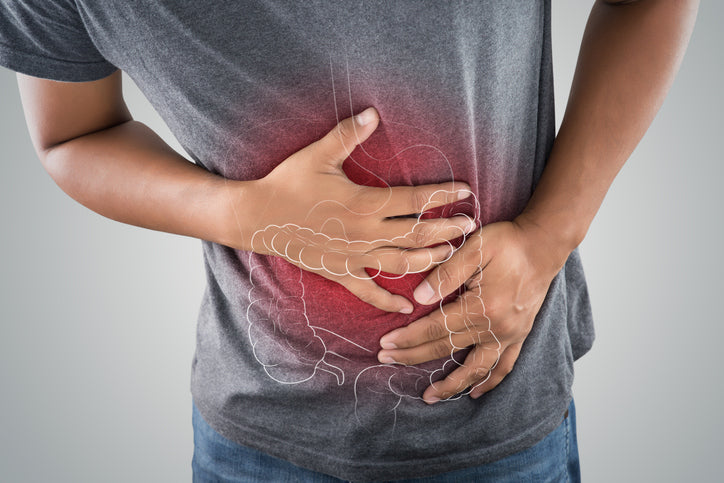
Nausea is one of the most common — and most discouraging — side effects of Wegovy, and right now you probably don't want a lecture about why it happens. You want to know what to actually put in your mouth. This guide gives you a specific, food-by-food eating plan: what to eat, what to avoid, when to eat relative to your injection, and how to stay nourished even when your appetite has disappeared. Every recommendation comes with a reason, because vague advice like 'eat bland foods' isn't enough.
Why Wegovy Makes You Nauseous — and Why Food Choices Matter More Than You Think
Wegovy's active ingredient, semaglutide, works by activating GLP-1 receptors throughout your body. In the gut, it slows gastric emptying — the rate at which food moves from your stomach into the small intestine. When food sits in your stomach longer than usual, distension builds, and that full, churning feeling follows. But there's a second mechanism that surprises many people: semaglutide also activates GLP-1 receptors in the brainstem, specifically in an area called the area postrema — your brain's vomiting control centre. This means nausea can be triggered neurologically, completely independently of what's in your stomach.
The good news? Food choices are one of the few levers you can directly control. Foods that require more gastric work — high fat, high fibre, large portions — amplify the problem. Foods that transit quickly and make fewer demands on a slowed-down stomach reduce it. Here is exactly what that means in practice.
The Best Foods to Eat When Wegovy Makes You Nauseous
Starchy, Low-Fat Carbohydrates (Your First Line of Defence)
Plain, starchy carbohydrates are the gold standard for nausea on Wegovy — not because they're boring, but because they're physiologically optimal. Low fat means minimal stimulation of cholecystokinin (CCK), the hormone that slows gastric emptying further in response to fat. Low fibre means less fermentation and less distension. These foods ask almost nothing of a stomach that's already working in slow motion.
- Plain white rice (not brown — the extra fibre adds workload your stomach doesn't need right now)
- Plain cream crackers or rice crackers — low fat, easy to portion, genuinely filling in small amounts
- White toast with nothing, or a very thin scrape of plain butter
- Porridge made with water (not milk) — oats are gentle and slow-release without adding fat
- Boiled or plain baked potato without the skin — soft, easy to digest, and genuinely satisfying
- Plain white pasta with nothing, or a very light tomato sauce (no cream, no oil)

Foods With High Water Content (Eat and Hydrate at Once)
When drinking feels nauseating — and it often does on Wegovy — high-water-content foods solve two problems simultaneously. They provide gentle hydration without the gulp-and-slosh sensation of a full glass of water, and they sit lightly in the stomach.
- Watermelon — roughly 92% water, easy to eat in small cubes, naturally sweet without being heavy
- Cucumber slices — almost no fat or fibre load; a useful snack between meals
- Broth-based soups (chicken, vegetable, miso) — warm broth is one of the most effective nausea-calming foods; the warmth helps gastric motility
- Plain gelatin or jelly — essentially water with a little structure; tolerated well at the height of nausea
- Ice lollies (plain or electrolyte-based) — useful on injection day when almost nothing else appeals; the cold also mildly numbs nausea sensitivity
- Diluted fruit juice (1 part juice to 2 parts water) — adds a little electrolyte and flavour without the sugar spike

Does Protein Help Nausea on Wegovy?
Yes — but preparation and portion size determine whether protein helps or backfires. Lean protein can stabilise blood sugar, and low blood glucose is one of the underappreciated contributors to nausea on GLP-1 medications. A small dip in blood sugar, combined with slowed gastric emptying and central GLP-1 stimulation, creates a compounding nausea signal. Small portions of lean, simply prepared protein can interrupt that cycle.
The key word is lean. High-fat protein — fried eggs, fatty cuts of meat, full-fat cheese — slows gastric emptying further and almost always worsens nausea. Here's what actually works:
- Poached or boiled egg whites (not fried — the fat from oil or butter is the problem, not the egg itself)
- Boiled or baked chicken breast, no skin, small portions (think 60–80g, not a full breast)
- Plain Greek yoghurt, low fat — also provides electrolytes and is easy to eat in small spoonfuls
- Soft tofu — very mild flavour, low fat, and easy on a sensitive stomach
- Canned tuna in spring water (not oil) — simple, portable, and genuinely effective

Keep portions small — if you're struggling to get protein in at all, eating enough protein on Wegovy when you have no appetite is a separate challenge worth addressing directly.
Ginger and Peppermint — Evidence-Backed Natural Relievers
Ginger has genuine clinical evidence behind it for nausea. A 2014 review published in the British Journal of Anaesthesia found ginger significantly reduced postoperative nausea, and the mechanism — blocking serotonin receptors in the gut — overlaps with GLP-1-induced nausea pathways. Peppermint works differently, relaxing smooth muscle in the GI tract and reducing spasm.
The form matters. Here's what actually delivers a meaningful dose:
- Fresh ginger — grate a thumb-sized piece into hot water and sip slowly; don't use commercial ginger drinks, which are mostly sugar
- Ginger chews or crystallised ginger — useful for immediate relief; look for products with real ginger content above 6% ginger extract
- Ginger capsules (250mg–1g standardised extract) — the most reliable dose; can be taken 30 minutes before meals on high-nausea days
- Peppermint tea — sip warm, not hot; effective for nausea accompanied by bloating or upper abdominal cramping
- Peppermint capsules (enteric-coated) — more targeted than tea for lower GI cramping alongside nausea
Foods That Make Wegovy Nausea Worse — Avoid These Until You've Stabilised
Most food guidance on Wegovy nausea says 'avoid greasy and spicy foods.' That's technically correct, but it misses a long list of foods that feel healthy — or even light — but are actually high-nausea triggers when gastric emptying is slowed. The table below gives you the specific reason each category causes problems, not just the category itself.
Why it worsens nausea on Wegovy
High fat triggers a strong CCK response, slowing gastric emptying even further and intensifying the full, churning sensation
Why it worsens nausea on Wegovy
Stimulates gastric acid secretion and activates pain receptors in the gut lining, compounding nausea with discomfort
Why it worsens nausea on Wegovy
Fermentable fibres produce gas in a stomach emptying slowly — distension and bloating follow quickly
Why it worsens nausea on Wegovy
Combined fat and dairy is a double nausea trigger; lactose adds potential bloating on top
Why it worsens nausea on Wegovy
Gas from carbonation increases upper GI pressure and bloating — even 'healthy' sparkling water
Why it worsens nausea on Wegovy
High in fermentable fibre and carbohydrates; flatulence and bloating compound nausea significantly
Why it worsens nausea on Wegovy
Perceived as light and easy but fat content can trigger severe nausea on Wegovy, especially post-injection
Why it worsens nausea on Wegovy
Irritates the gastric lining directly, adds to dehydration risk if you've been vomiting, and interacts poorly with appetite suppression
Should You Eat Before or After Your Wegovy Injection?
There is no hard clinical rule about eating around your Wegovy injection — semaglutide is a once-weekly subcutaneous injection and its mechanism doesn't depend on food timing the way some oral medications do. However, clinical experience and patient reports consistently point in the same direction: eating a small, low-fat meal 30–60 minutes before injecting tends to produce less nausea than injecting on a completely empty stomach or immediately after a full meal.
An empty stomach means there's no food buffer when semaglutide ramps up its central nausea signalling. A very full stomach means your gastric emptying is already working at maximum load when the drug further slows it. A light snack in the half-hour window before injection hits the middle ground. Injection day is typically the highest-nausea day of the week, so planning your eating structure around it makes a meaningful difference.
Injection Day — A Simple Framework
Here is a practical hour-by-hour structure for what to eat on Wegovy. These aren't strict rules — they're a starting framework that you can adjust based on which time of day you inject.
Small bowl of plain porridge made with water, or two plain crackers with a poached egg. Sip ginger or peppermint tea alongside. Keep the portion to about half of your usual breakfast.
30–60 minutes before injection
If you haven't already eaten, have a small plain snack — a banana, a few crackers, or a small plain yoghurt. If you've already eaten breakfast and injecting later in the day, the same rule applies: a small snack in this window reduces the nausea spike.
2–3 hours after injection
This is often the peak nausea window. Don't force a full meal — sip clear broth or water with lemon, eat a few crackers or a small portion of plain white rice, and graze rather than sit down to a plate.
If nausea has eased, a small, structured meal is fine — plain baked fish with mashed potato, or chicken broth with white rice. Keep the portion to about two-thirds of your usual dinner and eat slowly.
Why Am I Nauseous on Wegovy Even If I Haven't Eaten?

This is one of the most common — and most confusing — experiences on Wegovy: you haven't eaten a thing, but you feel sick. The answer lies in the central nervous system, not your stomach.
Semaglutide activates GLP-1 receptors in the area postrema, a region of the brainstem that sits outside the blood-brain barrier and acts as the body's chemoreceptor trigger zone — essentially the brain's nausea detection system. It monitors the bloodstream for signals that something might need to be expelled, and GLP-1 receptor agonists activate it directly. This is entirely independent of what's in your stomach.
There's also a blood sugar dimension. Wegovy significantly reduces appetite and caloric intake, which means blood glucose can drop to the low end of normal, particularly if you're not eating enough across the day. A mild dip in blood sugar, combined with the central GLP-1 effect, creates a nausea response that can feel identical to the stomach-based version but won't be relieved by eating less.
If you're nauseous without having eaten, a small amount of something plain — a few crackers, a small banana, a few sips of ginger tea — is often more helpful than waiting it out on an empty stomach. You're addressing both the blood glucose dimension and giving your vagus nerve (the gut-brain communication pathway) a small amount of benign sensory input to process.
Eating on Wegovy vs. Ozempic — Is the Nausea Advice the Same?
Yes. Wegovy and Ozempic contain the same active ingredient — semaglutide — and the mechanism behind nausea is identical in both drugs. Every food recommendation in this article applies equally whether you're on Wegovy for weight management or Ozempic for type 2 diabetes. The dose titration schedules differ (Ozempic typically escalates more slowly to a lower maximum dose), so the intensity and duration of nausea may vary, but the physiological trigger and the dietary management are the same. For the full picture on eating well throughout treatment, see our complete Wegovy food guide.
A Sample Day of Eating When Wegovy Nausea Is at Its Worst
This is the section all three competitor articles fail to provide. Here is a realistic, low-nausea eating structure for your worst days on Wegovy. Everything here is based on the principles above: low fat, low fibre, small portions, hydrating where possible.
Plain porridge made with water (not milk), half a small banana, a cup of ginger or peppermint tea. No added butter, cream, or sugar beyond a tiny amount if needed for palatability. Aim for about 200–250 calories — enough to anchor blood sugar without overloading your stomach.
Plain rice crackers (4–5) with a small pot of low-fat plain Greek yoghurt. The crackers provide easy carbohydrates; the yoghurt adds a small protein buffer. Total portion: a handful.
Chicken broth with a small scoop of white rice (about 80–100g cooked). If you can manage it, add a small portion (60g) of plain boiled chicken breast. Eat slowly — put the spoon down between mouthfuls. The warm broth is one of the most effective tools for reducing nausea during the day.
Watermelon slices, a small ice lolly (electrolyte-based if you can find them), or cucumber slices with a small portion of plain hummus (avoid garlic-heavy varieties). This is primarily hydration — don't pressure yourself to hit calorie goals on your worst days.
Baked or poached white fish (cod, haddock) — about 100g — with plain mashed potato (no butter, use a splash of low-fat milk only) and a small portion of steamed courgette. Avoid adding sauces; a little lemon juice is fine. Eat the smallest portion that genuinely feels satisfying.
When eating feels almost impossible — and it genuinely does for some people, particularly in the first few weeks or after a dose increase — structured liquid or semi-solid options like plain broth, diluted electrolyte drinks, or low-fat ready-to-drink meal replacement products can help bridge the gap between 'not eating enough' and 'forcing food that triggers more nausea.' Choose options that are low fat, low fibre, and low in added sugar.
Tips for Staying Hydrated Without Making Nausea Worse

Dehydration is a real risk on Wegovy, especially if you're vomiting or simply not drinking enough because fluids feel nauseating. The fix isn't forcing more water — it's changing how you drink.
The difference between sipping and gulping matters more than most people expect. Swallowing large amounts of liquid at once causes rapid distension of a stomach that's already emptying slowly. Small, consistent sips throughout the day keep you hydrated without triggering that pressure response.
Do: sip plain water, herbal teas (ginger, peppermint, chamomile), diluted fruit juice, clear broths, and electrolyte solutions consistently throughout the day — aim for a mouthful every 10–15 minutes rather than a glass every hour.
Avoid: carbonated drinks (gas adds pressure), caffeine (diuretic and can heighten nausea sensitivity), alcohol (gastric irritant and dehydrating), and full-sugar drinks or smoothies (sugar load can spike and then drop blood glucose, worsening nausea).
If you're vomiting repeatedly and finding it difficult to keep fluids down, an oral electrolyte solution (sachets dissolved in water, or a diluted sports drink) is worth keeping on hand. The goal is maintaining sodium and potassium levels, not just water volume. If you cannot keep fluids down for 24 hours or more, contact your prescriber — that crosses the threshold from manageable nausea to a side effect that needs medical input.
When Wegovy Nausea Is a Sign of Something More Serious
Most nausea on Wegovy is adjustment nausea — your body adapting to slower gastric emptying and central GLP-1 stimulation. It typically peaks in the first week after starting or increasing a dose, then settles within 2–4 weeks as your body recalibrates. That is normal, expected, and manageable with the strategies above.
A smaller number of people experience nausea that goes beyond typical adjustment. Here is when you need to act, not wait it out:
- You cannot keep any food or liquid down for more than 24 hours — this is significant dehydration risk and requires medical contact
- Severe pain in the upper abdomen, particularly radiating to the back — this can be a sign of pancreatitis, a rare but serious Wegovy side effect that requires immediate assessment
- Signs of dehydration: dark urine, dizziness on standing, dry mouth and eyes, confusion — rehydration and medical advice needed
- Vomiting that is projectile, contains blood, or is accompanied by fever — not adjustment nausea; seek assessment
- Nausea that is not improving at all after 4–6 weeks on the same dose — this warrants a conversation with your prescriber about dose timing, formulation, or whether semaglutide is the right option
If any of the red-flag symptoms above apply, contact your GP, pharmacist, or prescriber directly. Don't wait to see if it improves.