Your usual breakfast probably doesn't work anymore. The appetite that once had you reaching for toast or cereal has gone quiet — or you're waking up faintly nauseous and wondering whether eating anything is even a good idea. This guide tells you exactly what to eat to start the day, why it matters, and how to handle the mornings when food feels impossible — all mapped to where you are in your Wegovy dose.
Why Breakfast Feels Different on Wegovy (And Why You Still Need to Eat It)
Semaglutide — the active ingredient in Wegovy — works by mimicking a gut hormone called GLP-1, which slows gastric emptying and suppresses appetite signals in the brain. In practice, this means food moves more slowly through your stomach, and hunger messages arrive later or not at all.
Mornings are particularly affected because your stomach may still be processing food from the night before. Add the peak effect of a recent injection, and many people find that breakfast feels physically unwelcome — even on days when they're trying to eat well.
But skipping breakfast consistently creates a real problem. When your body is in a calorie deficit and not receiving protein in the morning, it begins breaking down muscle tissue for energy — a process called muscle catabolism. Overnight, your muscles have already been in a fasted, slightly catabolic state. Without a protein-rich meal to interrupt that, the deficit deepens.
Worth knowing: Skipping breakfast on Wegovy doesn't improve your results — it puts your muscle mass at risk. Even a small, protein-first meal changes the morning metabolic picture.
The One Thing Your Wegovy Breakfast Must Do: Protect Your Muscle

The most important job of your Wegovy breakfast is to deliver protein early enough to halt overnight muscle breakdown. This isn't a general healthy eating principle — it's specific to how GLP-1 weight loss works.
A large 2021 study published in The New England Journal of Medicine found that participants on semaglutide lost an average of 14.9% of body weight over 68 weeks. Research into GLP-1-assisted weight loss consistently shows that a meaningful proportion of that loss can come from lean muscle mass — particularly when protein intake is insufficient. Preserving muscle matters because it supports your metabolism, functional strength, and long-term weight maintenance.
The target is 25–30g of protein at breakfast. Here's how to hit your daily protein target on GLP-1:
- 3 medium eggs + 150g of 0% fat Greek yoghurt → approx. 28g protein
- 200g of cottage cheese with seeds → approx. 26g protein
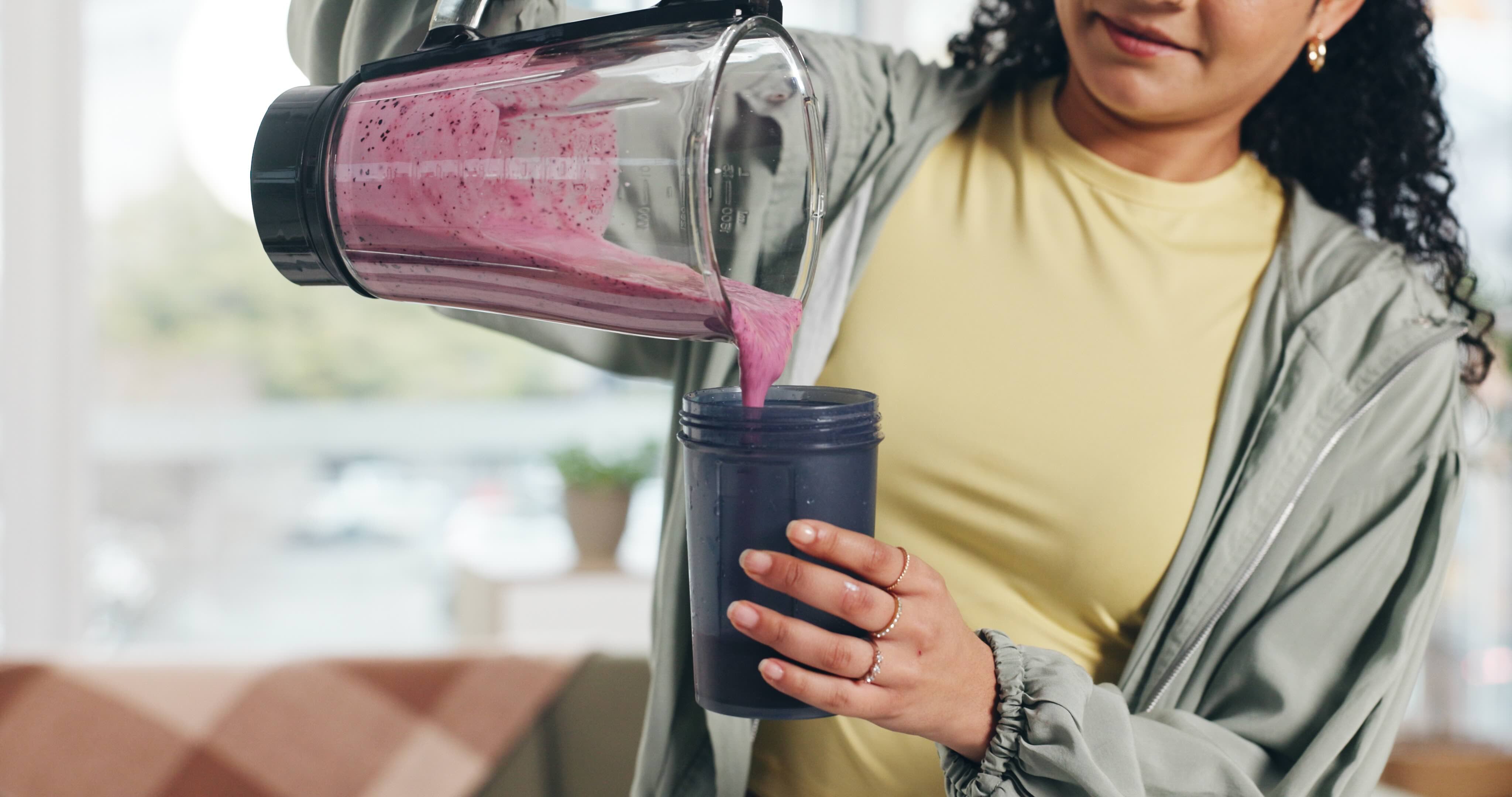
- Protein smoothie (200g Skyr, 1 scoop whey, frozen fruit) → approx. 30g protein
You don't need to count grams obsessively. But you do need a protein anchor at the centre of your breakfast — not as a side thought.
Wegovy Breakfast by Dose Stage: What Works at Each Phase
Breakfast on Wegovy isn't one-size-fits-all — what works in the first weeks is very different from what works at later in your jouney. Here's how to match your breakfast to your weeks.
Early phase: Nausea Is Highest — Keep It Cold and Small
In the first four to eight weeks, nausea is most likely to peak in the morning. Your stomach empties slowly, GLP-1 sensitivity is higher before tolerance builds, and the adjustment period can make even mild food smells feel off-putting.
Cold foods are better tolerated than hot ones at this stage — warmth can intensify nausea. Small volume matters more than nutritional completeness right now. Aim for something rather than nothing.
What works here:
Bland, cold, protein-containing, easy to stop halfway
Small volume, no cooking, mild smell — roughly 8–10g protein
Sippable, gut-friendly, minimal commitment
Make the night before, serve cold
Drinkable in sips if eating feels hard
Appetite Returns Partly — Introduce Warm, Protein-Rich Foods
As your body adjusts to semaglutide, morning nausea typically becomes less frequent or less intense. Appetite doesn't fully return, but you can usually face something more substantial. This is the stage to build your protein-first breakfast habit.
Warm foods become manageable again for most people here. Use this window to anchor your morning around eggs, oats with protein, or cottage cheese.
What works here:
Easy to make, versatile — roughly 20g protein with two eggs
Make-ahead, fibre-rich, protein-forward
With cucumber, seeds, and a drizzle of olive oil
Savoury, low volume, high protein
No fuss — roughly 22g protein
Maintenance & Stable Appetite — Optimise for Nutrients and Variety
At maintenance, nausea is usually minimal and appetite, while still reduced, is more predictable. The focus now shifts from tolerating breakfast to optimising it — getting the highest nutritional value in a smaller volume of food.
Most people find they can comfortably eat 300–400 calories at breakfast at this stage. Use that capacity well.
What works here:
Spinach, mushrooms, feta — 2–3 eggs
Nutrient-dense — roughly 25g protein
Oats + Skyr + chia seeds + nut butter
Roughly 28g protein, high fibre
Rich in omega-3s — roughly 26g protein
Batch-cooked, grab-and-go
Roughly 20–24g protein for two
8 Best Wegovy Breakfast Ideas (With Protein + Calories)
| Breakfast | Protein | Calories | Why it works on Wegovy | Prep |
|---|---|---|---|---|
| Cold Greek yoghurt / Skyr with berries and chia | 18–22g | 200–250 kcal | Probiotic-friendly, cold = nausea-safe, satiating without volume | None |
| Scrambled eggs on wholegrain toast (2 eggs) | 20–24g | 300–350 kcal | Classic, familiar, easy to stop at one slice | 5 min |
| High-protein overnight oats (oats + Skyr + chia) | 25–28g | 350–400 kcal | Make-ahead, fibre-rich, zero morning effort | 5 min night before |
| Cottage cheese bowl with cucumber and seeds | 22–26g | 200–240 kcal | Savoury, high-protein, low volume — ideal for small appetites | 2 min |
| Banana and almond butter on 2 rice cakes | 8–10g | 220–250 kcal | Minimal commitment; best for nausea days as a starter | None |
| Protein smoothie (Skyr + frozen banana + spinach + nut butter) | 25–30g | 300–360 kcal | Sippable; cold temperature reduces nausea; quick to make | 3 min |
| Smoked salmon, soft-boiled egg, half avocado | 24–28g | 350–400 kcal | Nutrient-dense; omega-3 rich; maintenance-dose ideal | 8 min |
| Microwave egg muffins (2 muffins, batch-cooked) | 20–24g | 200–250 kcal | Batch-prep Sunday, grab Monday–Friday; portable | 2 min to reheat |
Protein values based on standard UK supermarket products.
What to Avoid for Breakfast on Wegovy (And Why It Makes Nausea Worse)
Semaglutide already slows gastric emptying — meaning food stays in your stomach longer than it normally would. Certain breakfast foods compound this effect and significantly increase the likelihood of nausea, reflux, or discomfort.
Avoid these, especially in the first 12–16 weeks:
Why to avoid
High fat content slows gastric emptying further, on top of what semaglutide is already doing. The combination reliably triggers nausea and, in some people, reflux or sulphur burps.
Why to avoid
High in saturated fat and refined carbohydrates; cause a rapid blood sugar spike followed by a crash that worsens fatigue on a reduced-calorie day.
Why to avoid
Low in protein, high in sugar; won't protect muscle, and the blood sugar spike-crash cycle will leave you feeling worse by 10am.
Why to avoid
Moderate quantities are fine, but a large chunk of cheddar or cream cheese at breakfast adds significant fat volume that slows digestion.
Why to avoid
Can increase bloating and nausea in people with slowed gastric motility.
The underlying principle: on Wegovy, your stomach is already working more slowly. Anything that adds further digestive burden — particularly fat and refined carbohydrates — will be felt.
The Morning Nausea Protocol: What to Eat When You Can Barely Face Food
Some mornings, even the idea of Greek yoghurt feels like too much. This is especially common in the 24–48 hours after an injection, and during dose increases. Here's a graduated protocol for those days — the goal is not a complete breakfast, it's preventing muscle breakdown and keeping blood sugar stable with whatever you can manage.
Step 1 — Water first, before anything else
Sip 150–200ml of water about 15–20 minutes before attempting food. Don't drink during eating — liquid volume on a slow-emptying stomach increases nausea. Hydrating first settles the stomach gently.
Step 2 — Ginger tea or cold liquid
Ginger has documented anti-nausea properties. A small mug of weak ginger tea (hot or cold) or a ginger shot can reduce the edge enough to attempt food. Cold liquids are better tolerated than hot when nausea is acute.
Step 3 — Two or three bites of something bland and small
A few bites of banana, a plain rice cake, or a spoonful of plain yoghurt. The goal here isn't nutrition — it's establishing that eating is possible and beginning to interrupt overnight catabolism.
Step 4 — A small portion of protein if tolerated
If step 3 goes down without difficulty, try 2–3 tablespoons of cottage cheese, a small Skyr pot, or a few sips of a cold protein smoothie. Even 10–15g of protein is meaningfully better than zero.
Step 5 — Stop and try again in 30–45 minutes if needed
On severe nausea days, splitting breakfast into two small sittings 30–45 minutes apart is a legitimate strategy. You don't have to eat everything at once.
Most people find these days improve significantly after the first 4–6 weeks and rarely persist into the maintenance phase.
How to Prep 5 Wegovy Breakfasts in 20 Minutes on Sunday
Low energy and zero morning appetite are not a good combination for making decisions about food. Sunday prep removes the decision entirely.
What to make:
- Overnight oats × 4 jars (10 minutes)
Combine 50g rolled oats + 150g Skyr + 1 tbsp chia seeds + 100ml milk in each jar. Add frozen berries on top. Seal and refrigerate. Ready for Monday through Thursday — just grab and eat. - Microwave egg muffins × 8 (10 minutes)
Whisk 6 eggs with a handful of spinach, diced peppers, and a small amount of feta. Pour into a silicone muffin tray. Microwave on medium for 4–5 minutes or bake at 180°C for 18 minutes. Store in the fridge, reheat in 90 seconds. Two muffins = ~22g protein. - Portioned yoghurt pots × 4
Scoop 150g of Greek yoghurt or Skyr into small containers. Add a portion of mixed seeds. Refrigerate. Pair with a banana from the fruit bowl for an instant, no-thought breakfast.

The system: Sunday evening, spend 20 minutes setting this up. Monday to Friday, you open the fridge and eat — no thinking, no cooking, no decisions. This matters because low caloric intake and appetite suppression reduce mental energy alongside physical appetite.