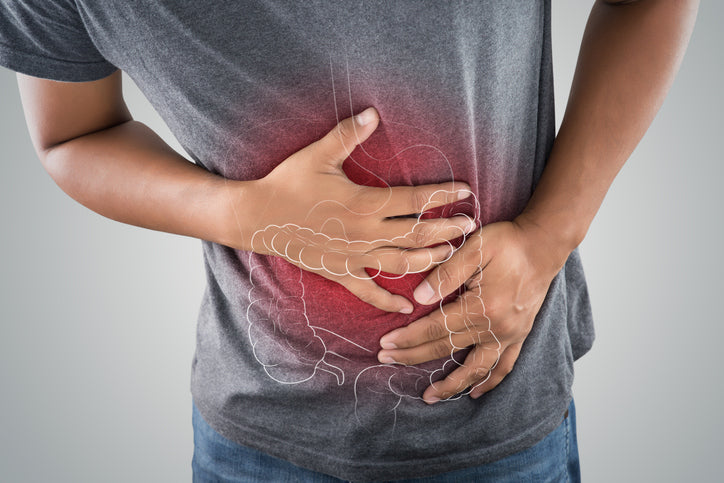








A headache that shows up shortly after starting Mounjaro — or after a dose increase — is one of the most common GLP-1 side effects people have in the first few weeks of treatment. It's frustrating, especially when you're already dealing with nausea or fatigue. The good news: in most cases, there's a clear reason it's happening, and a few targeted steps will make a real difference.
Is a Headache a Known Side Effect of Mounjaro?
Yes — headaches are a recognised side effect of Mounjaro (tirzepatide). They're classified as "common," meaning they affect between 1 in 10 and 1 in 100 people taking the medication. Headaches are also reported with other GLP-1 medications like Ozempic and Wegovy, which suggests they're linked to how this class of drug works in the body rather than anything unique to tirzepatide specifically.
Most people find that headaches ease within the first four weeks as the body adapts to treatment. They tend to be most noticeable when you first start or when your dose steps up.
 Why Does Mounjaro Cause Headaches? The 3 Most Likely Reasons
Mounjaro doesn't trigger headaches through a single direct mechanism — it's usually one of three indirect causes, sometimes working together.
1. Dehydration
Mounjaro suppresses appetite and slows gastric emptying, which means hunger and thirst signals become quieter than usual. Many people simply drink less without realising it. Dehydration is one of the most common headache triggers in general, and it becomes more likely on Mounjaro — especially if you're also dealing with nausea, vomiting, or diarrhoea, which all cause additional fluid loss. Drinking 2–2.5 litres of water per day is the single most effective prevention strategy most people overlook.
2. Blood Sugar Drops
Mounjaro lowers blood glucose — that's part of how it works. But if you're eating very little, skipping meals, or your dose has recently increased, blood sugar can dip lower than your body is used to. Low blood sugar (hypoglycaemia) is a well-established cause of headaches, and it often comes with other signs: feeling shaky, dizzy, irritable, or weak. If your headaches tend to come on when you haven't eaten in a few hours, this is likely the trigger.
3. Blood Pressure Changes
Clinical trials show that Mounjaro can meaningfully reduce blood pressure. For most people this is a benefit, but a rapid drop in blood pressure — especially when standing up quickly or if you're already on blood pressure medication — can cause dizziness and headaches. Dehydration and low blood sugar can both compound this effect, which is why some people experience all three at once during the early weeks of treatment.
Are GLP-1 Headaches Different From Regular Headaches?
Headaches are a side effect of GLP-1 medications as a class — including semaglutide (Ozempic, Wegovy) and tirzepatide (Mounjaro). Research comparing GLP-1 users to non-users suggests the difference in headache rates is real but modest: roughly 5–10% of GLP-1 users report headaches versus 6–7% of non-users, which tells us the medication creates conditions (dehydration, blood sugar shifts, blood pressure changes) that make headaches more likely rather than directly causing them through a pharmacological effect.
Fatigue often accompanies these headaches, particularly in the first month of treatment. The combination of reduced calorie intake, shifting blood sugar, and the body's adjustment to the drug can leave people feeling tired and heavy-headed — both of which tend to resolve as the body settles into the new baseline.
How to Get Rid of a Mounjaro Headache
When a headache hits, work through these steps in order — starting with the most likely cause:
Drink a large glass of water immediately. If nausea makes this difficult, sip small amounts every few minutes. Electrolyte drinks or diluted fruit juice can help if you've been vomiting or have diarrhoea.
A snack combining protein and complex carbohydrates — like whole-grain toast with peanut butter, or Greek yoghurt with oats — helps stabilise blood sugar without putting too much strain on a sensitive stomach.
Lie down in a cool, dark room if possible. Apply a cool cloth or ice pack to your forehead or the back of your neck for 10–15 minutes. Gentle temple massage can help relieve tension.
Paracetamol (500 mg every 4–6 hours) or ibuprofen (200–400 mg every 6 hours) are appropriate for occasional headache relief. Don't use them daily — if you're relying on painkillers regularly, that's a sign to speak with your prescriber about your dose or management plan.
How to Prevent Mounjaro Headaches
Prevention matters more than relief. These habits address the root causes directly:
| Cause | Prevention strategy |
|---|---|
| Dehydration | Aim for 2–2.5 litres of fluid daily. Set reminders if you're not feeling thirsty. Herbal teas and diluted juices count. |
| Blood sugar drops | Eat small, regular meals every 3–4 hours. Avoid skipping meals, especially around your injection day. |
| Blood pressure shifts | Rise slowly from sitting or lying down. Limit alcohol, which amplifies blood pressure drops and dehydration. |
| Mineral depletion | Include magnesium-rich foods — leafy greens, nuts, seeds, wholegrains — as these support nerve and muscle function during weight loss. |
| Poor sleep or stress | Aim for 7–9 hours of sleep. Hormonal changes from GLP-1 treatment can disrupt sleep early on; consistent sleep times help stabilise this. |
| Caffeine fluctuation | Avoid stopping caffeine suddenly. Reduce intake gradually if needed — abrupt withdrawal is a well-known headache trigger. |
When Eating Feels Like the Problem
One pattern worth recognising: if nausea makes eating regular meals feel impossible, the blood sugar fluctuations that follow will make headaches significantly worse. When solid food doesn't feel manageable, small, easy-to-digest options that still provide protein and carbohydrates — like a liquid meal or a ready-to-drink shake — can help keep blood sugar stable without overwhelming the stomach. The goal is consistent nutrition in a format your body can handle, even in small amounts.

One Meal Shake
Chocolate
- ✔ 12 bottles
- ✔ Meal replacement for weight loss and weight control*
- ✔ 1 bottle = 1 complete meal – only 218 kcal
- ✔ 21 g protein and 7.9 g fibre to keep you...
When Should You See a Doctor About Mounjaro Headaches?
Most Mounjaro headaches are mild and resolve within the first month. Seek medical advice promptly if you notice any of the following:
Headaches persist beyond 3–4 weeks without improvement, don't respond to paracetamol or ibuprofen, or are having a significant impact on your daily life. Your prescriber may recommend adjusting your dose or reviewing your management plan.
You experience a sudden, severe headache unlike any you've had before; headache with vision changes, confusion, difficulty speaking, or weakness; or headache with stiff neck or fever. These are red flag symptoms that need immediate medical assessment — call NHS 111 or go to A&E.