




Losing a significant amount of weight is a major achievement, but the biggest challenge often comes afterwards: how do you keep the weight off in the long term?
Many people find that the kilos slowly creep back once the intensive weight-loss phase is over. This is why weight-loss maintenance (WLM) is a crucial yet difficult area within nutrition research.
A new large study, published in Clinical Nutrition in 2025, investigated this exact question. The researchers compared two different diet strategies to help people maintain a substantial weight loss over 78 weeks – a full year and a half. The study provides important insights for both clinicians and anyone struggling to keep the weight off after losing it.
Why is weight-loss maintenance so difficult?
After a major weight loss, a range of physiological changes occur that make it harder to keep the weight down. Appetite increases, metabolism slows, and hormonal adjustments – for example changes in GLP-1 and ghrelin – push the body back towards a higher weight. Psychological factors such as stress, emotional eating, and fluctuating motivation add to the difficulty. As a result, weight regain is common unless there is structured support and clear maintenance strategies.
What did the researchers want to investigate?
The aim of the study was to test how two different strategies using meal replacements could support weight-loss maintenance:
5:2 Total Diet Replacement (5:2 TDR) – two days per week on full meal replacement (approx. 825–850 kcal/day).
Daily Meal Replacement (DMR) – one meal replacement per day instead of one main meal.
Both approaches were delivered as part of a structured weight-maintenance programme with dietitian support.
Study design
The study was conducted as a randomised controlled trial with 63 participants, 75% of whom were women. All had already lost at least 8 kg through diet, behavioural programmes, or medical treatment. At baseline, participants had an average weight loss of 16.8 kg. The trial lasted 78 weeks (about 18 months), with monthly dietitian visits, the option of “relapse treatments” in case of weight regain, and qualitative interviews.
Results before week 26
Before the trial began, participants had already completed a weight-loss programme. Some had lost weight with diet programmes (e.g., total diet replacement), others with behavioural programmes or GLP-1 medication.
At baseline, the groups differed slightly:
-
The DMR group had lost approx. 18.8 kg
-
The 5:2 TDR group had lost approx. 15.0 kg
This difference was likely due to random allocation, meaning those who ended up in the DMR group had, by chance, lost slightly more beforehand.
When the maintenance programme began, the 5:2 TDR group maintained their weight more effectively, while the DMR group began to regain some weight.
Results after 26, 52 and 78 weeks
After 26 weeks, the differences were clear:
-
5:2 TDR group: an additional average weight loss of 0.9 kg
-
DMR group: average weight regain of 3.5 kg
The 4.4 kg difference between groups was statistically significant (p = 0.005).
At 52 weeks, the 5:2 TDR group continued to show better weight stability. By 78 weeks, the differences had evened out, but both groups still maintained an impressive weight loss of 12–15 kg on average.
What did participants and dietitians say?
Interviews showed that both methods were acceptable but had different strengths:
-
5:2 TDR provided structure and a “reset effect” that helped participants eat better on the other days.
-
DMR was experienced as more flexible and easier to fit into daily routines, though for some less effective.
The biggest barriers were life events (illness, holidays, social occasions) and product monotony. Participants emphasised the benefits of portion control, simplicity, and the value of personalised dietitian support.
What do the results mean in practice?
The study shows that structured support using meal replacements can effectively prevent weight regain after a major weight loss. Both strategies led to sustained weight loss of more than 15 kg at 26 weeks and more than 12 kg at 78 weeks – far better than typical outcomes, where most people regain weight quickly.
The results highlight that there is no one-size-fits-all solution. Some benefit more from fixed total replacement days, others from daily flexibility. A combination of structure, flexibility and professional support may be key.
GLP-1 medication and weight-loss maintenance
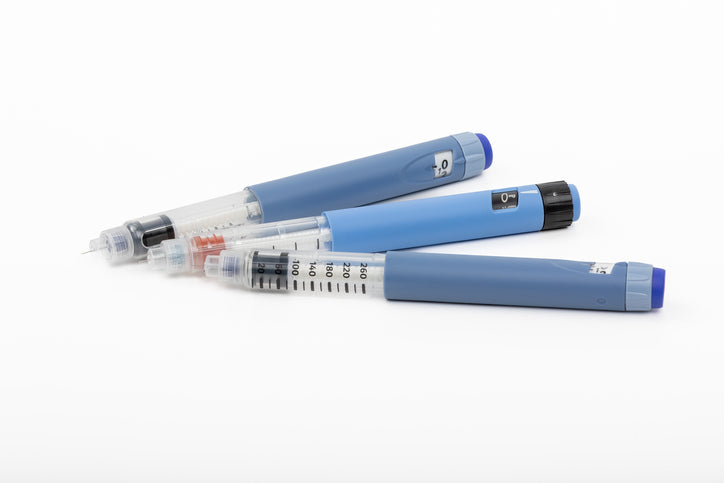
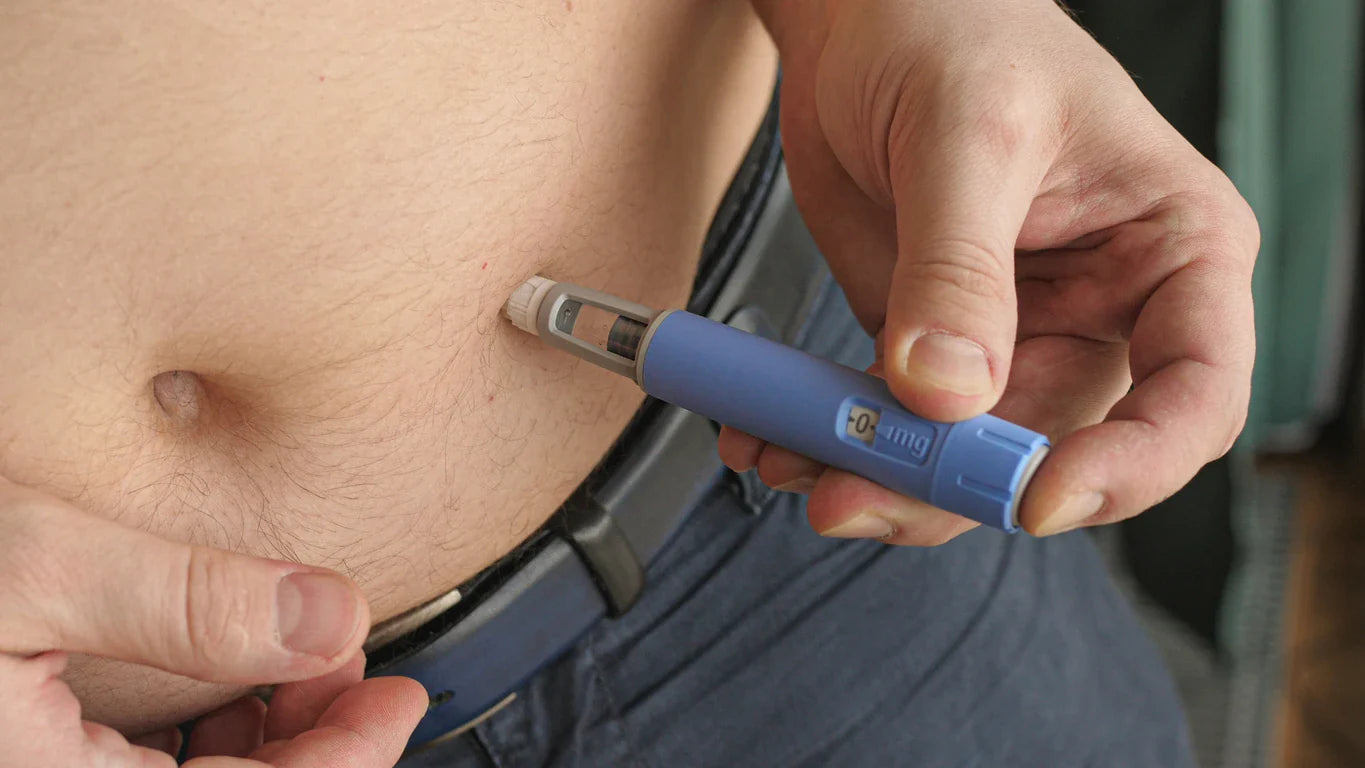
An important aspect was that some participants had previously been treated with GLP-1 agonists such as semaglutide. When they stopped medication, they quickly regained some weight – but with a structured maintenance programme, they still maintained an average weight loss of 12–15 kg after 78 weeks. This is crucial given the widespread use of weight-loss medications today.
Structured support and flexible solutions are key
The study shows that weight-loss maintenance does not have to be an unattainable challenge. With targeted effort, individual dietitian support, and the use of meal replacements, people who have lost significant weight can maintain their results for more than a year and a half. The key is tailoring the approach to individual needs and life circumstances.
The researchers stress that both the 5:2 TDR and DMR strategies can work in clinical practice when combined with personalised support. They also suggest future research should explore adaptive models that allow participants to switch strategies as needed, and highlight the importance of combining diet with physical activity and digital tools – especially when weight-loss medication is discontinued.