




Overweight and obesity are among the most significant risk factors for cardiovascular diseases, which are one of the leading causes of death globally and in Denmark. Weight loss has been shown to significantly reduce the risk of heart-related problems, yet achieving and maintaining weight loss through diet and exercise alone can be challenging for many.
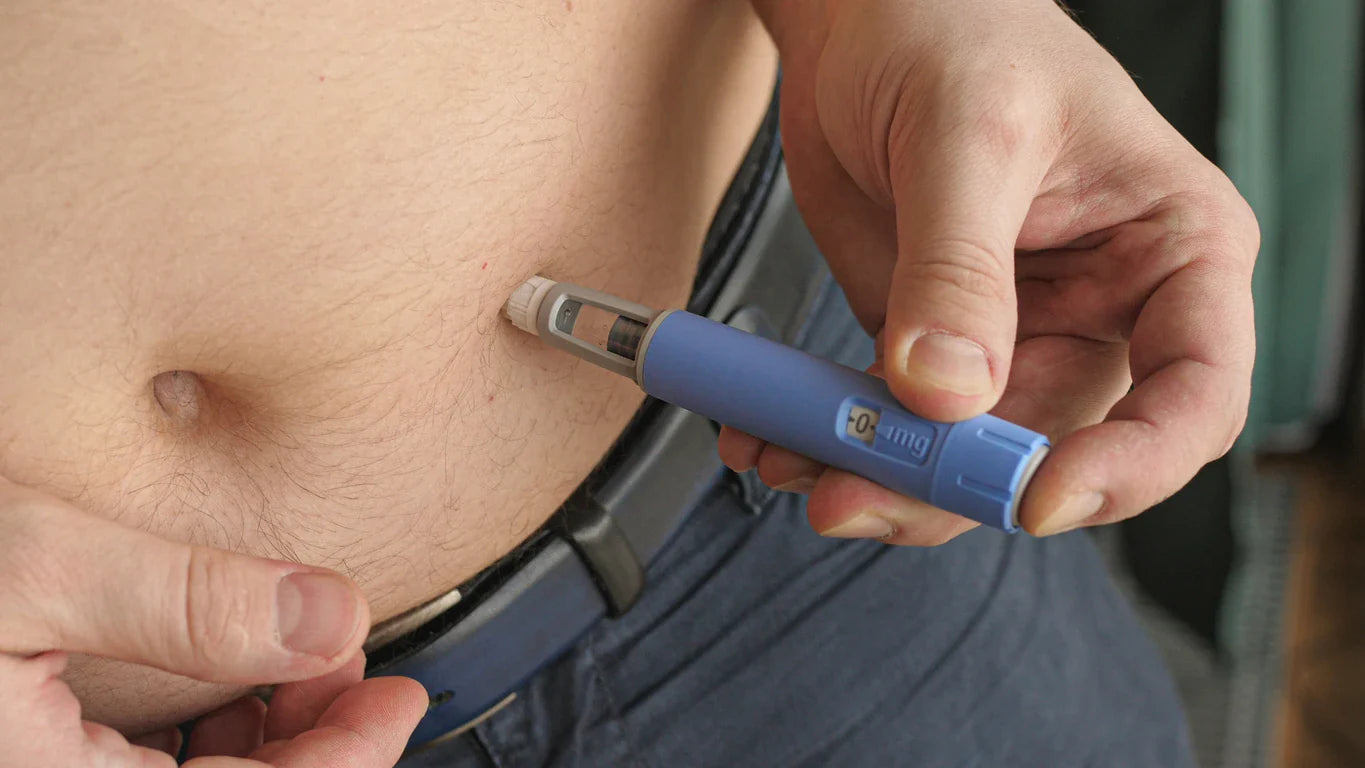
This is where Total Diet Replacement (TDR) and weight loss medications, such as GLP-1 agonists, can play a pivotal role. Combining these two approaches has proven effective in helping individuals lose weight and improve their cardiovascular health.
By integrating TDR and weight loss medications, individuals can pursue a promising strategy for reducing weight and mitigating cardiovascular risks. With proper guidance and support, this approach can help achieve sustainable weight loss and reduce the likelihood of heart disease. A well-planned weight loss journey that incorporates diet, medication, and lifestyle changes can pave the way for a healthier future.
The Connection Between Overweight and Cardiovascular Disease
Being overweight impacts the cardiovascular system in multiple ways. Fat accumulation in the body can lead to increased blood pressure and elevated cholesterol levels, both of which are well-known risk factors for heart disease. Additionally, excess weight can increase inflammation levels in the body, further straining the heart and blood vessels.
For instance, research from the Danish Heart Foundation indicates that approximately 1.7 million Danes live with high blood pressure—a condition closely linked to overweight.
Reducing weight through a combination of TDR and weight loss medications can yield significant health benefits, including improvements in markers such as blood pressure and cholesterol levels.
How Does TDR Work?
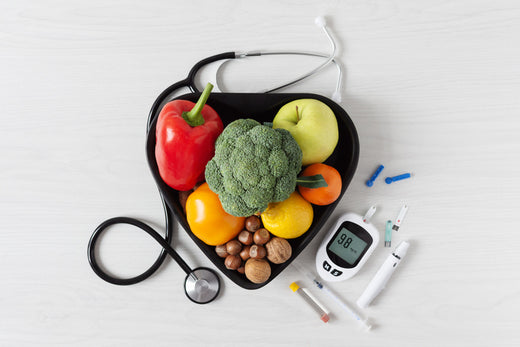
Total Diet Replacement (TDR) is a dietary strategy involving a very low-calorie diet (VLCD), where carefully formulated meal replacements provide essential nutrients while maintaining a calorie deficit that promotes fat burning. When the body receives fewer calories, it is forced to utilize stored energy (fat) to sustain its functions. This process can result in rapid and significant weight loss, which in turn improves metabolic markers such as blood sugar levels and insulin resistance—both critical for cardiovascular health.
TDR has been shown to be particularly effective in kickstarting weight loss and is best used over a short period under the supervision of healthcare professionals to ensure safety and efficacy.
What Are Weight Loss Medications, and How Do They Work?
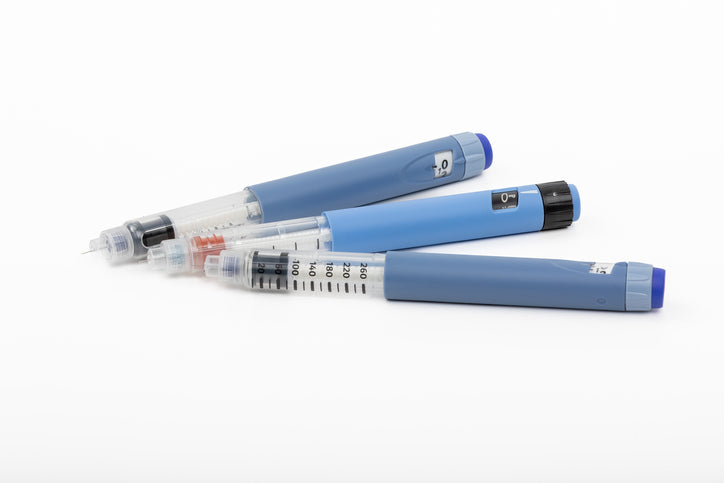
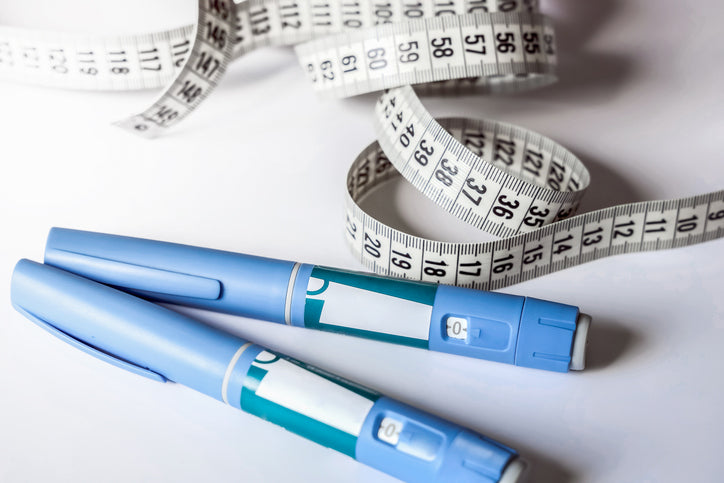
Modern weight loss medications, such as GLP-1 agonists, target the body’s natural appetite and blood sugar regulation systems. GLP-1 agonists mimic a hormone released from the gut after meals, enhancing feelings of fullness and reducing appetite. These medications also help stabilize blood sugar levels, which can benefit individuals with insulin resistance or type 2 diabetes conditions that increase the risk of cardiovascular disease.
When combined with a TDR program, weight loss medications can support steady and controlled weight loss. Studies have shown that these treatments, when used together, can significantly improve both cardiovascular and metabolic health. For example, research has demonstrated that GLP-1 agonists positively impact blood pressure and cholesterol levels, ultimately reducing the risk of cardiovascular disease.
Scientific Evidence Supporting TDR and Weight Loss Medications
Numerous studies have documented the effectiveness of both TDR and weight loss medications in improving cardiovascular health. A Danish study found that TDR could lead to significant weight reduction and improve blood sugar regulation and blood pressure in individuals with type 2 diabetes. Losing just 5–10% of body weight has been shown to significantly reduce the risk of cardiovascular disease, and TDR plays a central role in achieving this within a relatively short timeframe.
For weight loss medications, there is equally strong evidence supporting their impact on cardiovascular markers. A meta-analysis of multiple studies on GLP-1 agonists found that these medications reduced the risk of cardiovascular disease by up to 13% in overweight patients compared to a control group. The combination of TDR and medication can, therefore, provide substantial health benefits and act as an effective solution for those struggling with weight loss and looking to minimize heart-related risks.
Benefits and Challenges of TDR and Weight Loss Medications
Benefits:
The primary advantage of combining TDR and weight loss medications is the potential for rapid weight loss, which can boost motivation and make the process more manageable. This combination can help control appetite, stabilize blood sugar levels, and improve cardiovascular markers—all of which are vital for weight loss and heart health.
Challenges:
Despite their effectiveness, TDR and weight loss medications come with challenges that should be considered. TDR can be demanding, requiring adherence to a structured plan and professional guidance to ensure safety. Similarly, weight loss medications may have side effects, and not all patients are suitable candidates. To achieve the best results and avoid health risks, these treatments should be monitored by healthcare professionals.
How to Use TDR and Weight Loss Medications in Practice
If you’re considering TDR and weight loss medications as part of your weight loss journey, it’s important to have a long-term plan. Starting with a TDR program can help kickstart weight loss, followed by a gradual transition to a maintenance diet supported by exercise and other lifestyle changes. Weight loss medications can then be used to support weight maintenance and regulate appetite.
It’s essential to be realistic about the fact that weight loss alone does not solve all health problems but can significantly reduce risk factors and create a healthier daily life. Working closely with healthcare providers ensures that the plan is tailored to individual needs and health conditions, making the treatment as safe and effective as possible.
Conclusion
TDR and weight loss medications offer an effective combination for achieving weight loss and reducing the risk of cardiovascular disease. By addressing both weight and cardiovascular health, this approach can help individuals take control of their well-being and work toward a healthier future. With the support of healthcare professionals and a well-structured plan, TDR and weight loss medications can provide a sustainable and impactful solution to some of today’s most pressing health challenges.
Sources:
- Danish Heart Foundation. "Blood Pressure and Cardiovascular Disease Prevention." www.hjerteforeningen.dk
- Danish Health Authority. "Treatment of Obesity." www.sst.dk
- Danish Society for General Medicine (DSAM). "Guidelines for Treating Obesity with GLP-1 Agonists."